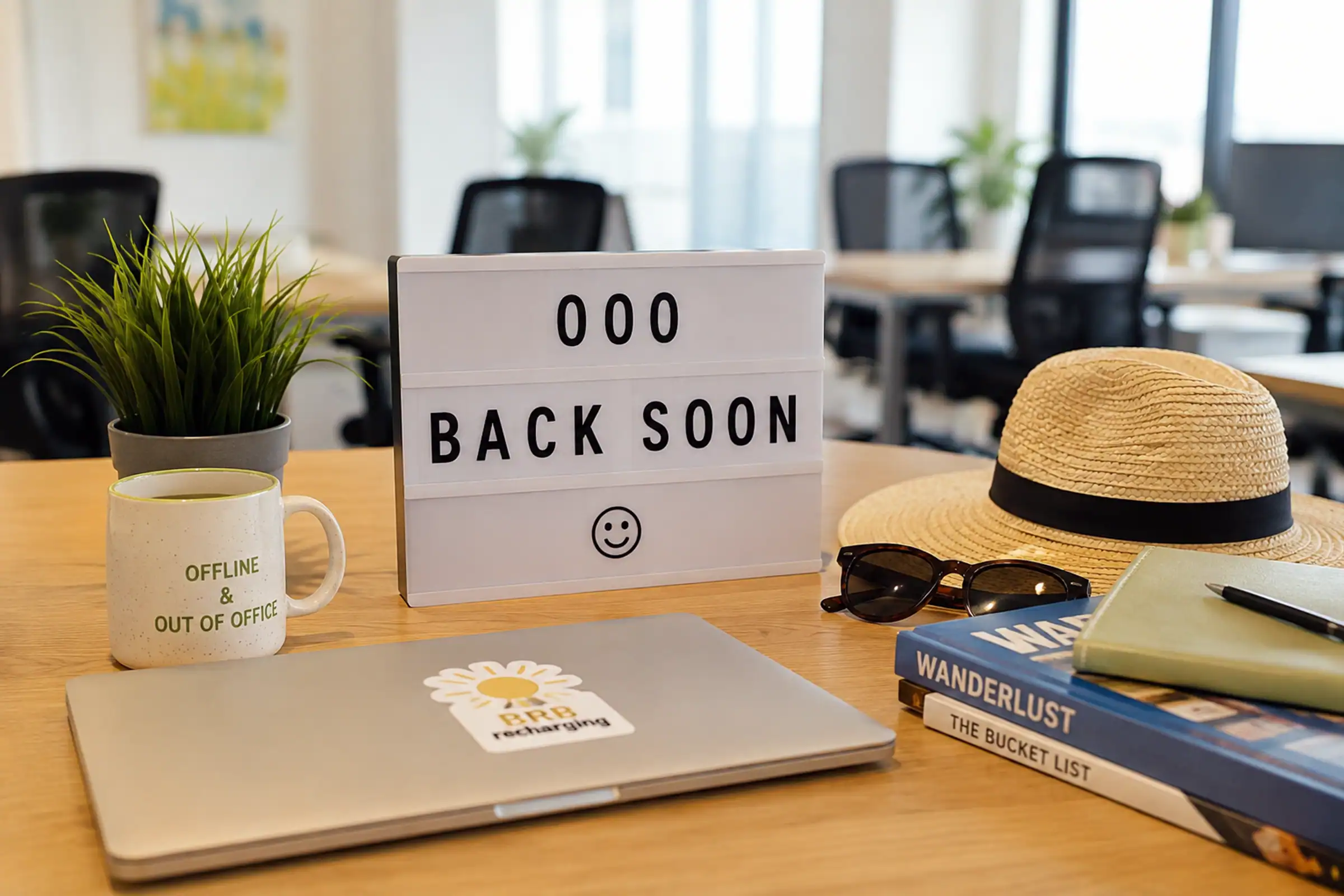
Welcome to the month of August, when even the best laid plans can be halted in their tracks by the unwelcome ping of an automated out-of-office (OOO) email.
“I am on annual leave with limited access to emails, for urgent inquiries please contact my colleagues – unless they’re on holiday too!”
There is a name for this corporate phenomenon – we call it ‘silly season’. This implies that something frivolous is going on; people randomly disappearing from their jobs so that nobody really knows who’s in and who’s out.
However, there is nothing silly about taking annual leave. Our working lives are ruthlessly governed by meetings, reminders, deadlines, so taking time off to rest is as crucial for our health and well-being and diet and exercise.
Unfortunately, not everyone gets this memo. Far too many workers do not fully switch off on holidays and either keep working while they’re away or keep thinking about work while they’re away.
Far from helping to keep the show on the road, this does nobody any favours. Feeling like you can’t – or don’t want to – disconnect from work is deeply frustrating. The holiday is over before you know it and you’re back at your desk, tired and resentful instead of refreshed and rejuvenated. Who does that help?
The solution, not only for the person who’s taking annual leave but for their colleagues who aren’t, is to plan ahead. By taking a few practical steps, you can walk away from work confident that you don’t need to check in during your time off.
Carry out a holiday risk assessment
A good first step is to identify any issues that could become risk factors when people are away. These could include events your clients are involved in (awards, media activity), issues that could affect your clients (developing news topics, likely Government announcements) or external/seasonal activity (severe weather, increased cyber threats).
Put a plan in place
Having identified potential risks, put in place a plan to address any vulnerabilities and avoid unnecessary disruption. A key component of risk management is to appoint an ‘issues champion’ who will scan the horizon for signs that a risk has the potential to escalate, especially when you might be under-staffed.

Optimise your staff schedule
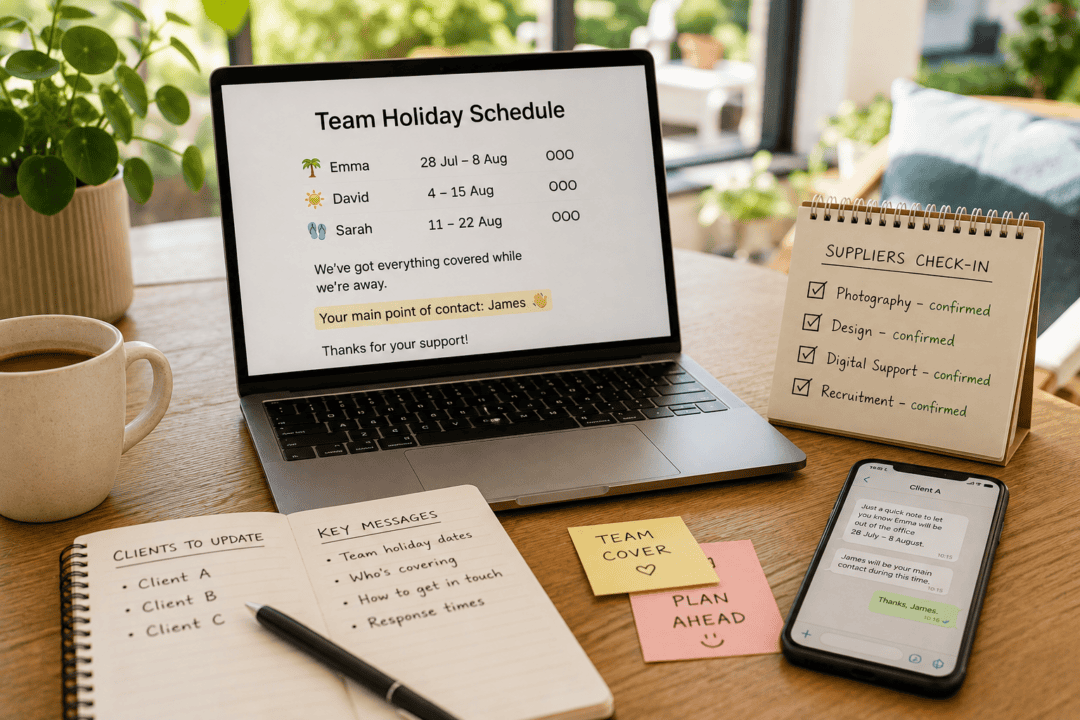
You sometimes hear people saying they “can’t keep track” of who’s in the office and who’s on leave at this time of year. This should never be the case. There should be a clear annual leave schedule, so everyone knows who’s available and how to reach critical team members if something genuinely urgent comes up.
Communicate continuously
This is a cornerstone of any risk or crisis management strategy. If the plan lies gathering dust in a drawer, it’s useless. There should be regular communication about who’s going to be away, and when, and who will be dealing with X if Y happens. If you have a weekly team catch-up, devote five minutes to holiday planning so that someone’s absence is never a nasty surprise.
Keep key clients in the loop
Make sure clients are aware when members of the team are going to be away. (Those team members are responsible for ensuring there’s continuity on the account.) Touch base with key suppliers too, especially those who providing essential services (e.g. photography, graphic design, digital support, recruitment) to confirm their holiday/response capabilities.
Beef up cybersecurity measures
Depending on the sector in which you operate, the holiday season might also see a spike in cyber threats (phishing, ransomware attacks). Schedule security scans and update firewalls in advance of people taking annual leave and make sure there’s always someone on hand to deal with a cyber threat if one arises.
Flag if urgent
Taking these steps, having these processes in place, makes it so much easier to keep things running smoothly when one or multiple members of the team are on holidays.
For business owners and team leaders, it may also be useful to have a ‘flag if urgent’ process in case something happens that you and only you can deal with. This could be an urgent-only WhatsApp group, separate to other group chats and email accounts, so you can relax and switch off knowing you can still be contacted as a last resort.
Preparation is everything
A lot of risk/crisis management is about planning for unknown quantities or variable factors. Holiday season, however, is very much a known quantity so it’s quite easy to implement a few practical steps that can underpin business continuity during the dog days of summer.
As with all matters relating to risk, preparation is everything. The earlier you start planning, the better the plan. If you’re interested in building risk resilience through crisis management planning, we’d love to talk to you – contact us today for a free consultation.
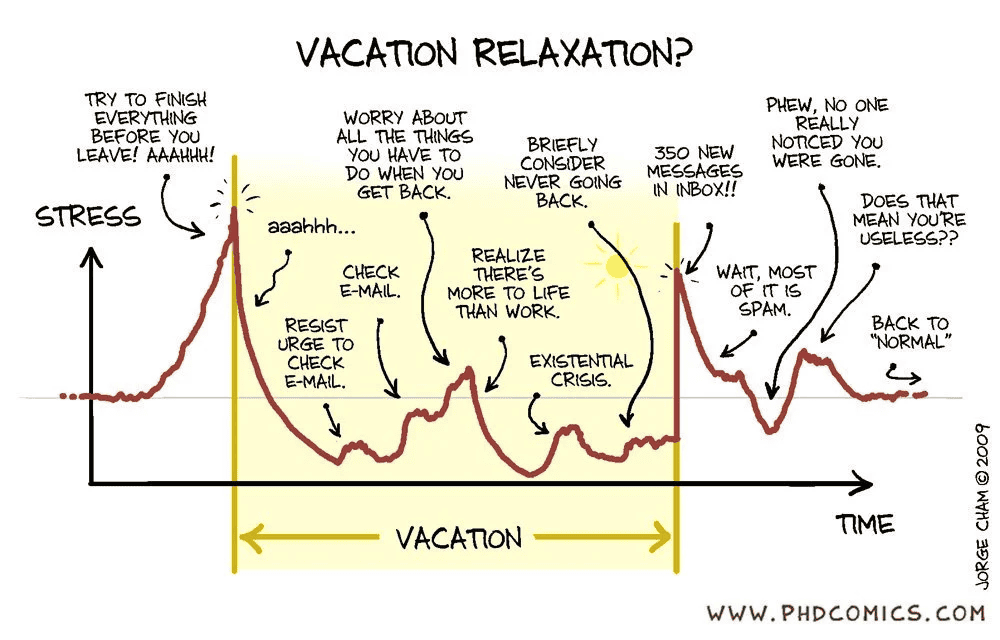
In the meantime, go and enjoy your well-earned holiday. We’ve got everything covered.

About the author
David Powell is a copywriter and content specialist with Cullen Communications