The Christmas trees are going up, Q4 campaigns are in full swing, but there’s still one day that everyone in marketing (and beyond) is waiting for.
Spotify Wrapped.
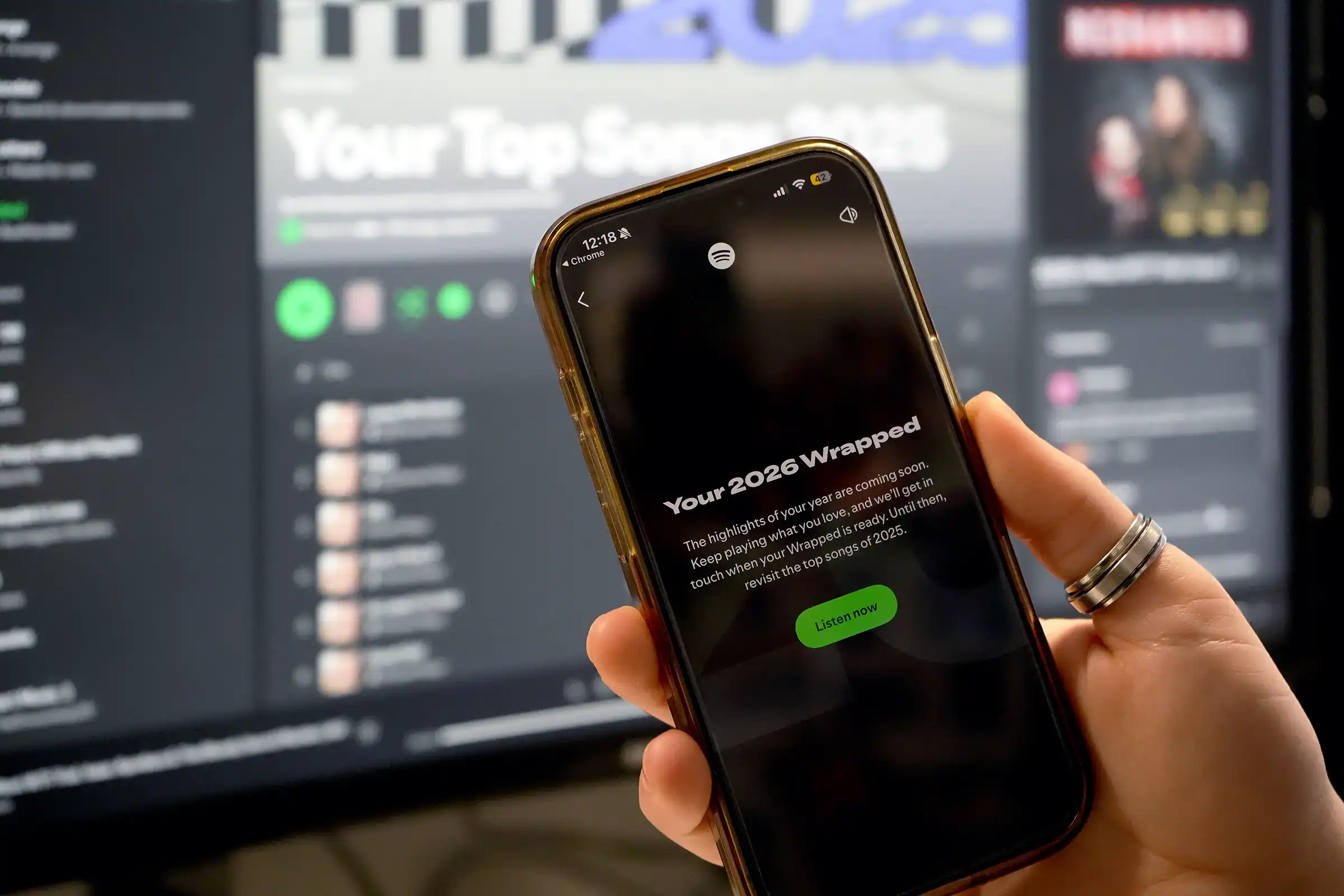
If you’re one of the few who is unfamiliar with the concept, Wrapped is Spotify’s annual roundup of stats, habits and an overview of how you listened over the year. It takes about 10-11 months’ worth of data and packages it into a shareable, story-style recap: your top song, artist, album and podcast; your favourite genres; your total minutes listened; and more.
It’s a simple concept but Spotify has turned it into a global phenomenon that floods FYPs, timelines and stories each year.
From year in review to cultural moment
Wrapped grew out of Spotify’s ‘Year in Review’, which launched in 2011 and highlighted the top tracks worldwide. The recap became personalised in 2013, when users could see their own top song, artist, etc, and kept evolving into the Wrapped that we know today.
The campaign was rebranded as Wrapped in 2016. It was already drawing attention but two changes made it take off: a Stories-style design, and the option to share straight to social media. Wrapped rocketed from 30 million users in 2017 to more than 120 million in 2021, with 60 million stories shared across platforms. It’s still growing. In 2025, Wrapped set a record with 250 million engagements in less than three days.
What makes Wrapped work so well?
In short, it cleverly turns data into personal identity.
Put simply, Wrapped turns ordinary data into something people want to share. It’s deeply personal, and it gives people a reason to show off. They can flaunt their ‘niche’ taste, brag about how many hours they listened, or proudly announce that they’re in the top 0.1% of listeners for their favourite artist.
Those simple stats are enough to get millions of people posting their results. That adds up to a huge wave of free user-generated content, and every post nudges someone else to go and check their own. Spotify has added to this over the years with design refreshes and exclusive thank-you videos from artists for their top listeners.
Scarcity creates a sense of occasion
Scarcity and anticipation are another big part of Wrapped’s success. It only happens once a year, and Spotify rarely announces the release date in advance. That fuels speculation, “when is Wrapped?” searches and countdown memes, so the launch feels like an event rather than just another feature update.
Everyone wants a piece of it – including other brands
Wrapped’s reach goes well beyond Spotify’s own channels. On release day, brands rush to join in with reactive posts, “wrapping” their year in the same style. The format is now a template in its own right. When other brands are borrowing your campaign to get noticed, you’ve earned media that money can’t buy.
It’s no surprise that so many companies have tried to build their own version. Apple Music Replay, YouTube Music Recap, Strava’s Year in Sport and Duolingo’s Year in Review – even Tesco Clubcard – all follow a similar recipe. Some do well, but few reach Wrapped’s scale.
Maybe that’s because music says something about who we are in a way that most data doesn’t. Your top artist feels like part of your personality but even your most-used feature in an app rarely does. The lesson for brands is that copying the format isn’t enough. The data has to mean something to the person receiving it.
Artists as amplifiers
Spotify also gets the people its users care most about to join in. Artists share their own Wrapped stats, thank their listeners and even record personal videos for their biggest fans. Each of these posts spreads the campaign further, to audiences Spotify could never reach as effectively alone. For brands, it shows the value of giving partners, ambassadors and stakeholders something they actually want to share.
When the magic slips
Wrapped isn’t immune to criticism. In 2024, many users felt let down by a version that leaned heavily on AI features and dropped favourites such as top genres. Social feeds that would normally be full of excitement filled up with complaints that the results felt generic or didn’t reflect how people had actually listened. It was a reminder that once a campaign becomes a tradition, audiences feel a sense of ownership over it. Change it in the wrong way and they’ll tell you, loudly and publicly.
What brands can learn from Wrapped
You don’t need hundreds of millions of users or a music catalogue to apply the thinking behind Wrapped. The principles work at any scale:
- Make the customer the hero. Wrapped isn’t about Spotify; it’s about you. The best campaigns reflect something back to the audience that they’re proud of.
- Design for sharing. Shareability was built into Wrapped from the start, with the right formats, the right dimensions and one-tap posting. Don’t bolt it on at the end.
- Own a moment. Turning something into an annual tradition builds anticipation that does your marketing for you before you’ve posted a thing.
- Keep a little mystery. Not announcing everything in advance gives people something to talk about.
- Evolve, but respect what people love. Refresh the format each year but don’t strip out the parts your audience feels belong to them.
- Use the data you already have. Most brands are sitting on insights their customers would enjoy seeing. The skill is in how you package them.
It’s a wrap
Spotify Wrapped shows that great PR doesn’t always need a huge stunt or a celebrity endorsement. Sometimes it comes from understanding your audience well enough to hand them a story about themselves, then stepping back while they tell it for you.
So, when Wrapped lands this year, by all means check your top artist and your minutes listened. But take a moment to watch the campaign at work too. It’s one of the best briefs in the business, and it’s hiding in plain sight.

About the author
Cara Conboy is a Client Executive at Cullen Communications, specialising in social media, influencer marketing and copywriting.