Since its launch in 2006, Twitter (now known as X) quickly became a key platform in the media landscape both in Ireland and worldwide. At its peak in 2022, the platform reached more than 360 million monthly active users and played a central role in the reporting and consumption of breaking news.
For journalists in particular, Twitter transformed how stories were shared, allowing real-time reporting, meaning journalists no longer had to wait for the next print or broadcast cycle.
This immediacy, combined with its open format, chronological feed and verification of trusted news sources, made Twitter an essential tool for media and public alike. In Ireland, the platform became a go-to source for media commentary, political debates and instant reaction to developing stories, changing how news was both reported and consumed.
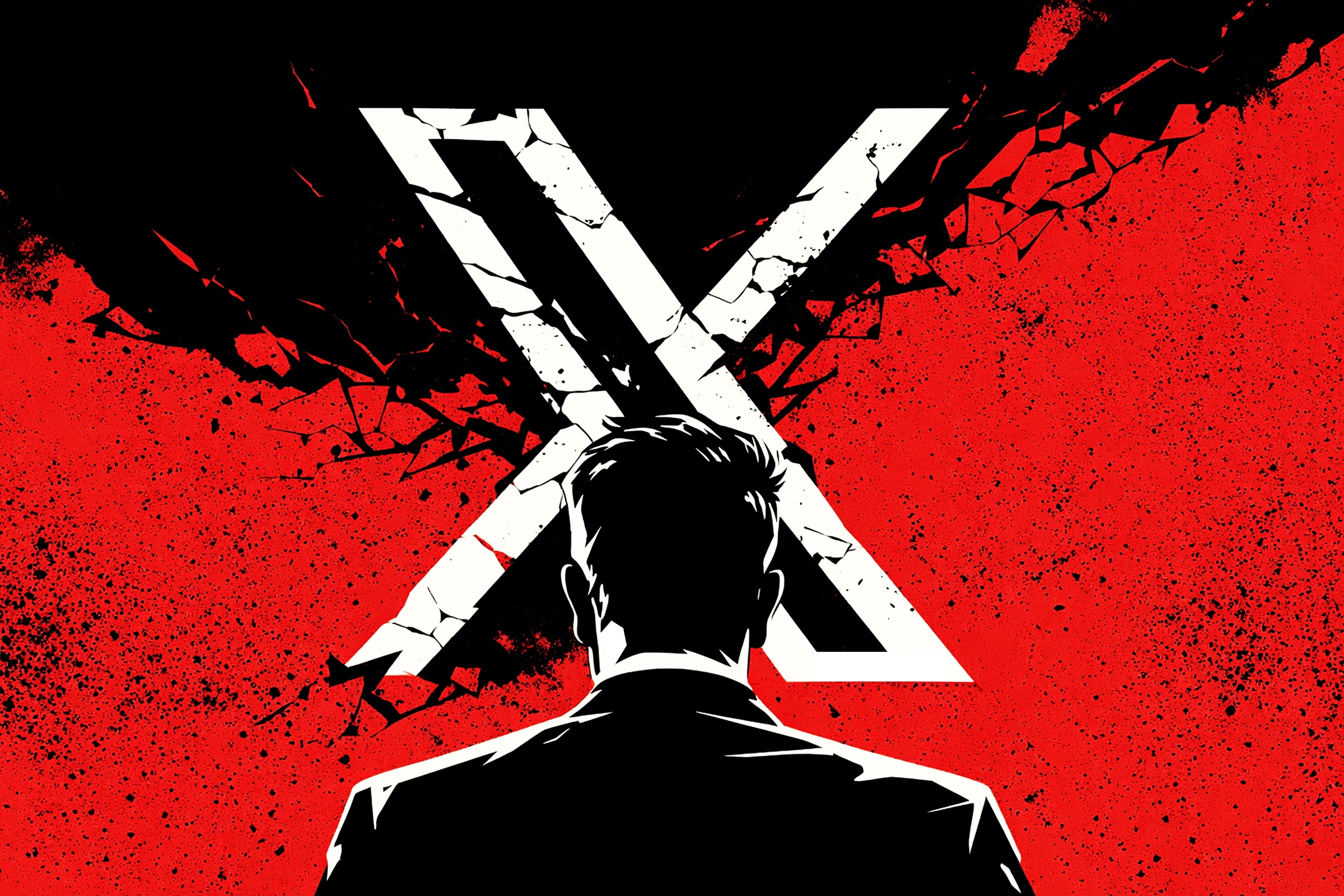
Following Elon Musk’s takeover and rebranding of the platform in 2022 – going from cheerful Twitter to ominous X – a series of changes have reshaped the platform. These changes continue to drive debate among journalists, brands and the public, and it’s fair to say not all have been welcomed.
Despite ongoing criticism, X still retains some value, particularly when it comes to real-time conversation. The platform remains a central hub for live news updates and immediate reaction. Whether the topic is politics, sport or even the latest television moment, discussion on X often begins, and gains traction, faster than anywhere else.
X (Twitter) Worldwide Users 2020-2024
Annual user count in millions
📉 Notable Decline in 2024
After steady growth from 2020 to 2023, X experienced a significant drop of 33 million users in 2024, falling from 421 million to 388 million users – a 7.8% decrease year-over-year.
Source: Resourcera, aggregated industry estimates of X (Twitter) global monthly active users, 2025
The growing concerns surrounding X
That said, the negatives associated with X increasingly outweigh the positives. Structural changes made by Musk have eroded trust among journalists, users and brands.
One of the most significant early changes was the removal of Twitter’s long established and respected verification system. Previously used to identify credible journalists, public figures and organisations, verification has since become a paid feature, allowing misleading accounts to masquerade as trusted sources, increasing misinformation. For PR professionals, this has made it more difficult to assess credibility, manage reputational risk and combat misinformation.
Concerns have also grown around the platform’s algorithm and content moderation. Many users report increased visibility of polarising figures and politically extreme content, despite them not seeking out this content. At the same time, reduced content oversight has contributed to the spread of misinformation and hostile discourse, creating an increasingly volatile environment on the platform.
The expanded use of AI has further complicated matters. The introduction of X’s AI chatbot, Grok, has attracted controversy, particularly following reports that it has generated inappropriate and harmful content in response to user prompts. While AI tools have the potential to enhance user experience, incidents like this raise serious questions around safeguards, accountability and brand safety.
@newstalkfm AI Minister Niamh Smyth says X should be banned if it does not abide by Irish law 📰 🤳The issue was raised after the social media's AI chatbot, Grok, was able to 'nudify' images, allowing users to sexualise photos of real women and children. 💬Speaking to Pat Kenny this morning, Minister Smyth said she will meet with the Attorney General and the Taoiseach to talk about protecting people from the generation of sexualised images. 🎧Listen back to the full interview on the GoLoud App now. #irishnews #ireland #news #irelandtiktok #irishtiktok #ai #grok #x ♬ original sound – Newstalk
Finally, the growing presence of bots and AI-generated accounts has diluted what was once a largely authentic, real-time conversation. For many users, this has fundamentally altered the user experience, undermining trust and making meaningful engagement harder to achieve.
Weighing up the reputational risk of X
These concerns surrounding X have caused many brands, celebrities and users to question whether they should still have a presence on the platform. Many users have migrated to alternate platforms such as Threads or Bluesky.
A number of these decisions were made publicly, with multiple brands and celebrities announcing their imminent departure, a move that has become increasingly prevalent in Ireland following recent controversy surrounding Grok. These departures are often shared deliberately and transparently, with many explaining their reasoning in detail.
As journalists continue to leave X, it signals a shift in the media landscape. X is simply no longer considered a reliable space for news gathering or verification as it was in the past, weakening the credibility of the platform.
Where to next for journalists?
A decline in activity on X does not mean that conversation of that nature has disappeared from the internet, it has simply shifted.
Platforms such as LinkedIn and Threads have offered a safe space for journalists to take their discussions. LinkedIn’s emphasis on professional identity has encouraged long-form commentary, while Threads’ interface has allowed fast-paced discourse and light-hearted content.
This migration means Irish PR strategies must adapt to a more complex and fragmented media landscape. There is no longer a single dominant platform where all conversations happen in real time. Instead, communicators must understand where different audiences are choosing to engage and tailor their approach accordingly.

How does this impact PR strategy in 2026?
For Irish brands, the changing role of X demands a reassessment of how media engagement is approached. Relying heavily on one platform for journalist engagement or crisis response is no longer viable. A broader view across multiple platforms, traditional media and owned channels is essential.
Diversification across platforms is now critical. Brands must invest in owned content, strong media relationships and platforms that allow for deeper storytelling and credibility building. In an environment shaped by misinformation and AI-generated content, tone, context and authenticity matter more than ever.
For PR professionals, this shift reinforces the value of strategic judgement. Knowing when to engage, when to step back, and when to move the conversation elsewhere is now just as important as speed or reach.

About the author
Cara Conboy is a Client Executive with Cullen Communications, specialising in social media, influencer marketing, and copywriting.