It’s that time of year when we take out the crystal ball and anticipate how the PR industry is likely to evolve in the coming 12 months – from productivity to purpose, here are our top 5 trends to watch out for in 2026.
Relevant Insights
As web traffic evolves, GEO will continue to grow
As we head into 2026, expect digital marketing reports to continue showing a steady decline in online audiences, as search results – which give users the information they are seeking without them ever having to click through to the original source of the content – are increasingly replaced by AI summaries.
Unsurprisingly, this trend has jumped to the top of the list of concerns among media owners, especially those whose outlets rely on search result traffic. A report found that a site that previously ranked first in a search result could lose up to 79% of its traffic for that query, if results were delivered by an AI summary.
As AI muscles into search results, we’re seeing a big shift in the way agencies manage their clients’ overall online visibility. As GEO overtakes SEO, brands must consider how they appear in AI summaries and search results, taking particular account of brand mentions, owned content, third-party references and other credible mentions.
SEO is dead.
— Jafar Najafov (@JafarNajafov) June 21, 2025
a16z just declared the death of traditional search and the birth of something new:
Generative Engine Optimization (GEO).
Here’s how the game has changed (and how to win in the AI era): pic.twitter.com/X3YAvdrjF9
The good news is that PR will play a starring role in the evolution of GEO. Most PR agencies (or in-house PR teams) are already managing the activities that produce the sort of outputs that rank highly for GEO, and that trend is only likely to continue.
AI will embed itself deeper, but it’s a balancing act
The sense of panic that we are about to be replaced by AI has largely subsided, with most PR professionals expecting their roles to continue largely as they are. In this sense, AI will work in tandem with, rather than instead of, agencies, even as adoption of the technology surges.
Today, it’s reported that more than two-thirds of PR professionals use AI tools and platforms in their daily work. And as more agencies embrace the technology to support things like media monitoring, sentiment analysis and content research, those who fail to adopt AI risk falling behind the competition.

While AI can enhance our productivity by taking over some of the mundane, repetitive tasks, the real value lies in using these tools to enhance our decision-making – not replace it. Human creativity will always remain at the heart of what we do, especially when it comes to core services like copywriting, content generation and storytelling.
Ultimately, platforms like ChatGPT and Copilot are handy productivity tools but they are no replacement for our natural creativity – or our original human voices.
Thanks to AI, fact-checking will become a fact of life
The speed at which unverified LLM outputs have been adapted – and accepted – has created potential for misinformation (and worse). The PR profession has a role to play here by ensuring that clients, no less than themselves, understand that AI-generated content is not a reliable source but rather a suggestion or draft.
Going a step further, agencies can proactively anticipate potential crises caused by reliance on AI-generated ‘facts’. This can involve fact-checking protocols, approved messaging around error correction, and rapid response frameworks in the event that inaccurate information slips into the public domain.

PR professionals will have to work smarter for media coverage
Unlike the adoption of AI, the decline in traditional news media has been going on for years. The industry is far from dead – research by NewsBrands Ireland found that most young adults still turn to established news sources if they are in any doubt about a story – but as we enter 2026, there are fewer publishers, fewer outlets and fewer journalists.
A lot of this down to simple economics – many corporate media owners have simply laid off experienced journalists and replaced them (if they replaced them at all) with cheaper, less experienced personnel including contractors.
From a PR perspective, this means there are fewer journalists we can pitch stories to; fewer outlets that will carry those stories. This may put a little strain on our ability to deliver core media relations services (and coverage) but it will also make us work a little smarter.
In 2026 and beyond, comms professionals will have to start thinking more like journalists, focussing on stories with a clear angle and providing meaningful data and credible voices to back them up. We’ll also have to be more strategic and thoughtful with our pitches, making them stand out from the crowd.
As the media landscape continues to fragment, PR will also have to look beyond earned coverage to engage with audiences. That means a stronger focus on social media channels, podcasts, blogs, UGC, and other emerging spaces where people now seek out brand information. Attention, credibility and consistency are key in this new world.

Expect more KPIs, and expect to show you’ve met them
Amidst all these shifting sands, it’s fair to say one challenge has stood the test of time – proving that our valiant PR efforts are contributing to our clients’ business goals. As the new year looms, expect the spotlight on impact to grow brighter.
Demonstrating and communicating the impact of what we do has never been easy, mainly because a lot of what we do falls into a slightly grey area. Even in the analytics-rich digital communications age, there are few direct, provable correlations between user behaviour (engagement, opportunities to see, etc) and, say, revenue.
The solution is to create models that do link some of our key outcomes (say media coverage) to the metrics that our clients really care about – leads, conversions, sales. This will likely require a collaborative approach between agency and client that takes into account the nature of specific PR activity being planned and the way this is designed to filter into the client’s business model.
We must be proactive about this. By developing and even insisting on KPIs for all our client work, we’re sending a clear message that we believe in what we’re doing; our strategy is building your success. The PR teams that can prove their impact in ways that resonate with their clients are the ones who’ll be getting budget increases in 2026.
Brands will seek authentic, long-term content partners
Goldman Sachs estimates there are now around 50 million fully-fledged influencers globally, contributing to a creator economy worth more than $250 billion (a figure expected to double by 2027). While influencer marketing will continue to be ubiquitous, the way creators build communities and forge partnerships will evolve.
As technology evolves – with AI empowering creators to do more rather than replacing them – brands that prioritise authenticity, relevant content and long-term partnerships will see the best returns. 20 years since they began appearing on the scene, influencers are no longer a trend; they are here to stay.

In 2026, purpose can be your superpower
As one of Ireland’s earliest certified B Corps, using business as a force for good is (literally) written into our corporate governance structure. We walk the walk, and increasingly we want to walk with clients who share our sense of purpose.
Safe to say that consumers are feeling the same way. A groundbreaking global study analysing the business value of brands has revealed a strong business benefit to ‘purposeful’ brands with consumers four to six times more likely to buy from, trust and champion companies that have a strong purpose.
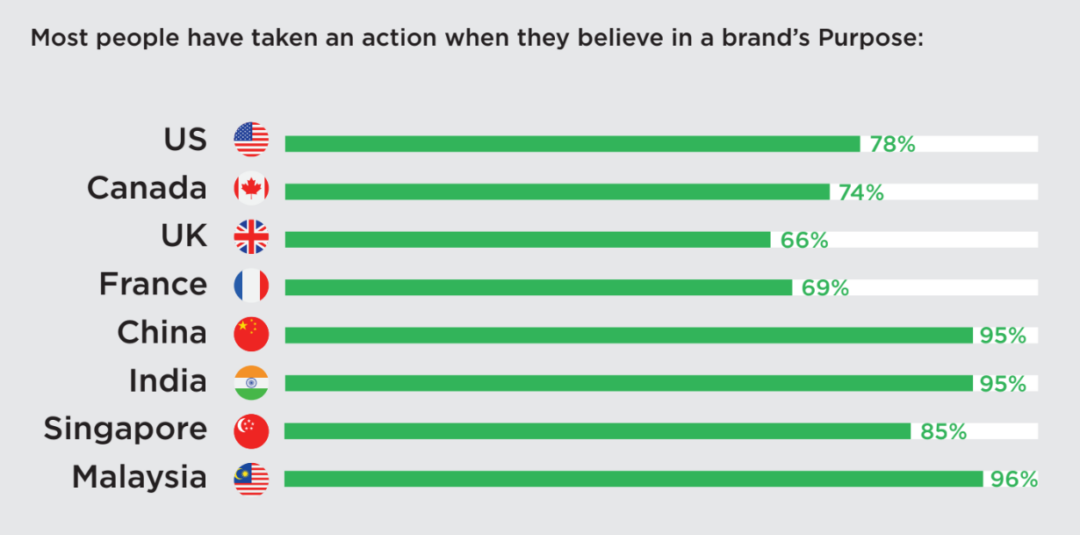
Globally, 94% of consumers also say it is important that the companies they engage with have a strong purpose, while 83% said companies should only earn a profit if they also deliver a positive impact.
As we head into 2026, showing purpose and having a positive impact on the world can help you shine brighter than the competition.
Happy new year from all at Cullen Communications
Whatever 2026 brings, we wish you success and happiness in all your endeavours. Thanks for taking the time to read this, don’t forget to subscribe to our newsletter, and we’ll see you in the new year!

About the author
Owen Cullen is Managing Director of Cullen Communications, and provides high-level strategic guidance and consultancy. His specialist skills include corporate strategy, digital communications and sustainability